
Blog · Ljubljana
Plain answers to hard tech-law questions.
// field notes from the legal frontier.
Briefings, explainers and deep-dives across our three practices — from MiCA and token classification, through incorporation, equity and IP, to export controls and dual-use. Written by the people who sign the advice.
MiCA, tokens and the rulebook.
How EU crypto regulation actually applies — white papers, classification, licensing and the legal opinions exchanges ask for.
Crypto Legal Opinion Explained
Crypto legal opinions help token issuers, exchanges and regulators determine how a crypto asset should be classified under applicable law. The article explains when legal opinions are needed, how they support MiCA compliance and exchange listings, what types of opinions are most common, and what issuers should prepare before launching or listing a token.
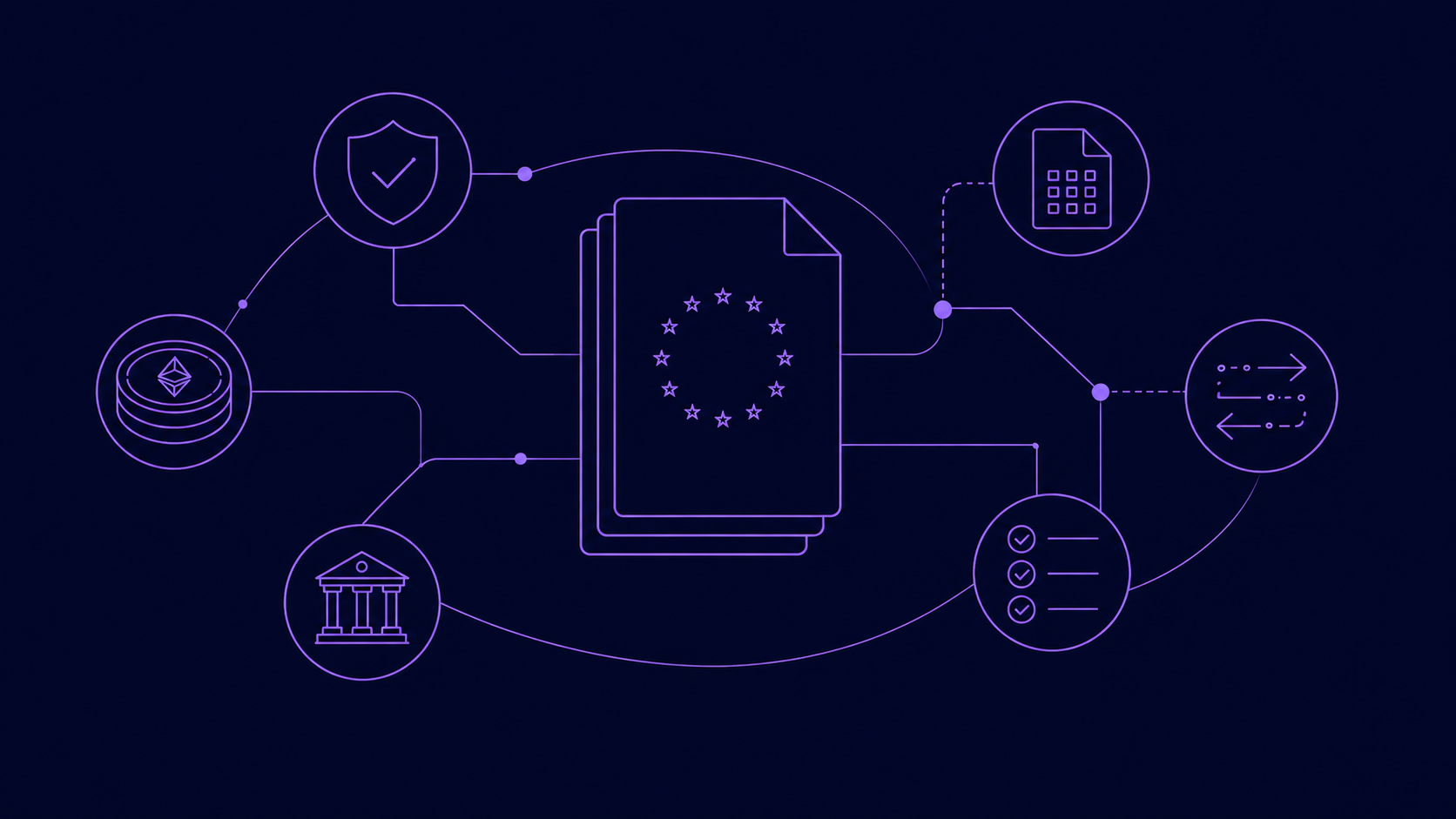
MiCA Whitepaper Requirements: What Every MiCA Issuer Must Include
A practical guide to MiCA whitepaper requirements, mandatory disclosures, iXBRL formatting, notification and token-specific content.
Do You Need a Crypto License? Founder Guide
Learn when a crypto business needs MiCA authorisation, when another EU regime applies, and what founders should decide before launch.
Crypto License Slovenia: MiCA & CASP Guide
Crypto licensing in Slovenia under MiCA: ATVP authorization, local rules, CASP requirements and practical steps for founders.
Legal Opinion vs MiCA Whitepaper: Do You Need Both?
Legal opinion or MiCA white paper? Learn what each document does, when EU rules require them, and when token issuers may need both.
Boutique vs Big Law for Crypto Compliance: What Early-Stage Founders Need
Boutique or Big Law for crypto compliance? A practical guide for founders choosing legal support for MiCA, licensing, opinions and ongoing compliance.

Is Your Token a Security? MiCA Classification
Learn how MiCA classifies tokens as utility tokens, ARTs, EMTs or financial instruments, and what each classification means for an issuer.
MiCA License: CASP Authorization in the EU
A practical MiCA license guide covering CASP eligibility, capital requirements, authorization timelines and passporting across the EEA.
Crypto Legal Opinion: What It Is & When You Need One
A crypto legal opinion documents a token’s regulatory classification. Learn when exchanges and regulators require one and what it should cover.
VASP vs CASP: How MiCA Replaced National Crypto Licensing
Most EU crypto firms held national VASP registrations before MiCA. Here is what changed and what the end of the transition means in 2026.
MiCA-Licensed Crypto Exchanges: 2026 Register
Which crypto exchanges have a MiCA license in 2026? Check major authorized platforms, their EU entities and what their CASP licenses cover.
Crypto Travel Rule Compliance for CASPs
EU Travel Rule compliance requires CASPs to collect, transmit and verify originator and beneficiary data. Here is what firms must implement.
What Is MiCA? EU Crypto Regulation Explained
What is MiCA? Learn how the EU’s crypto-asset regulation applies to token issuers, CASPs, white papers, authorisation and compliance.
Understanding MiCA crypto asset white paper
Learn what a MiCA crypto-asset white paper is, who needs one and what it must include before a token is offered to the public or admitted to trading in the EEA. This guide explains MiCA white paper requirements, including crypto-asset classification, issuer and project disclosures, holder rights, underlying technology, risk factors, sustainability information and ongoing update obligations.

NFT purchases and the 14-day right of withdrawal
Can consumers withdraw from an NFT purchase within 14 days? We examine NFT transactions under Slovenian law and the EU Consumer Rights Directive.

What is an NFT and how does it work
What is an NFT, how does it work and why do collectors, artists and companies use it? Explore digital ownership, smart contracts and NFT marketplaces.

NFTs and Digital Art: Copyright and Legal Risks
What are NFTs and how are they used in digital art? Explore NFT platforms, copyright, money laundering, theft and other legal risks.
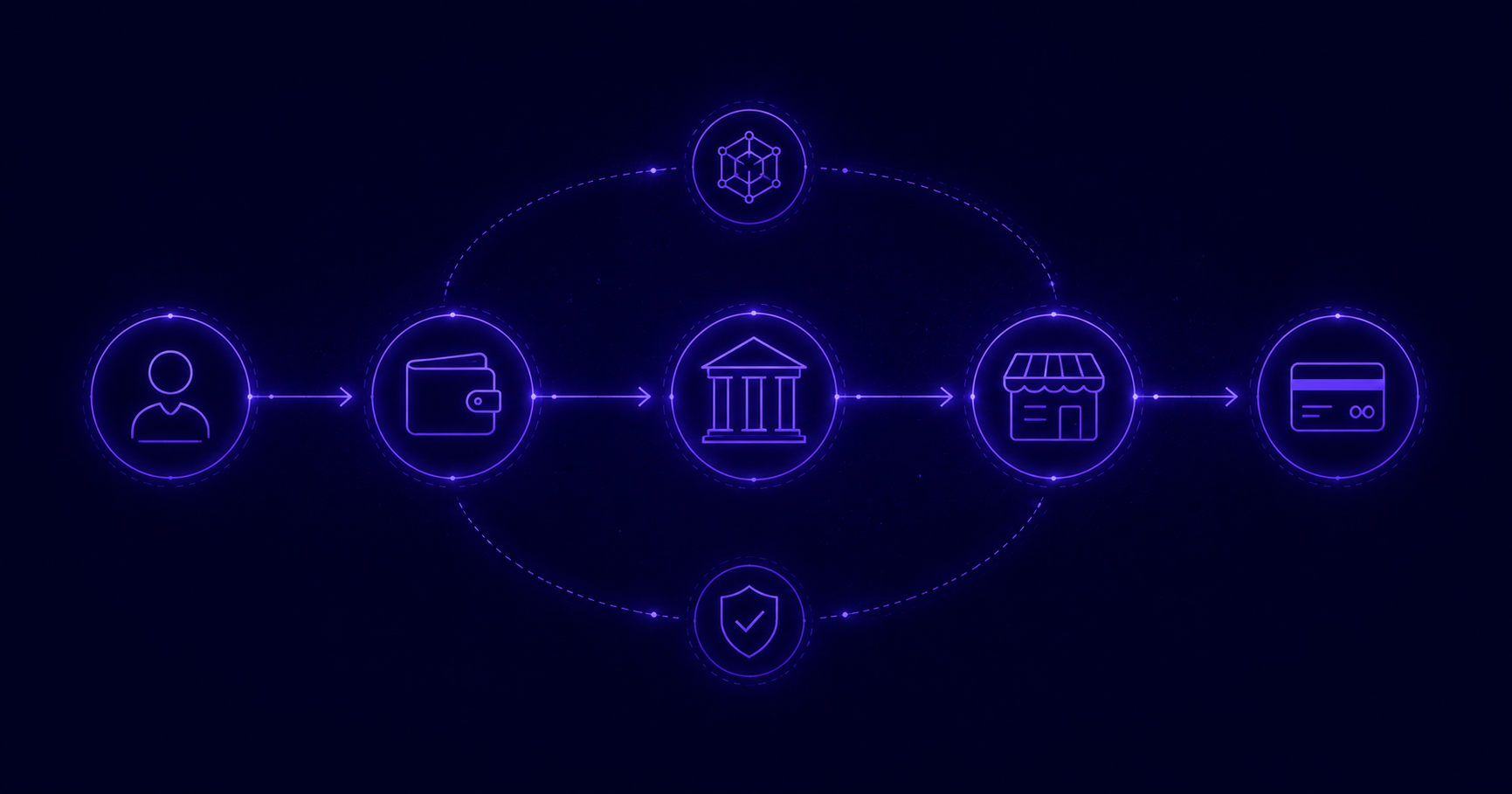
ABCs of payments value chain
The article explains how fintech and digital payments have reshaped the payment industry. It outlines key roles in the payment value chain, from banks and PSPs to e-wallets and aggregators, using PayPal as an example of a company covering multiple roles. It concludes that banks must adapt to a more technology-driven market.
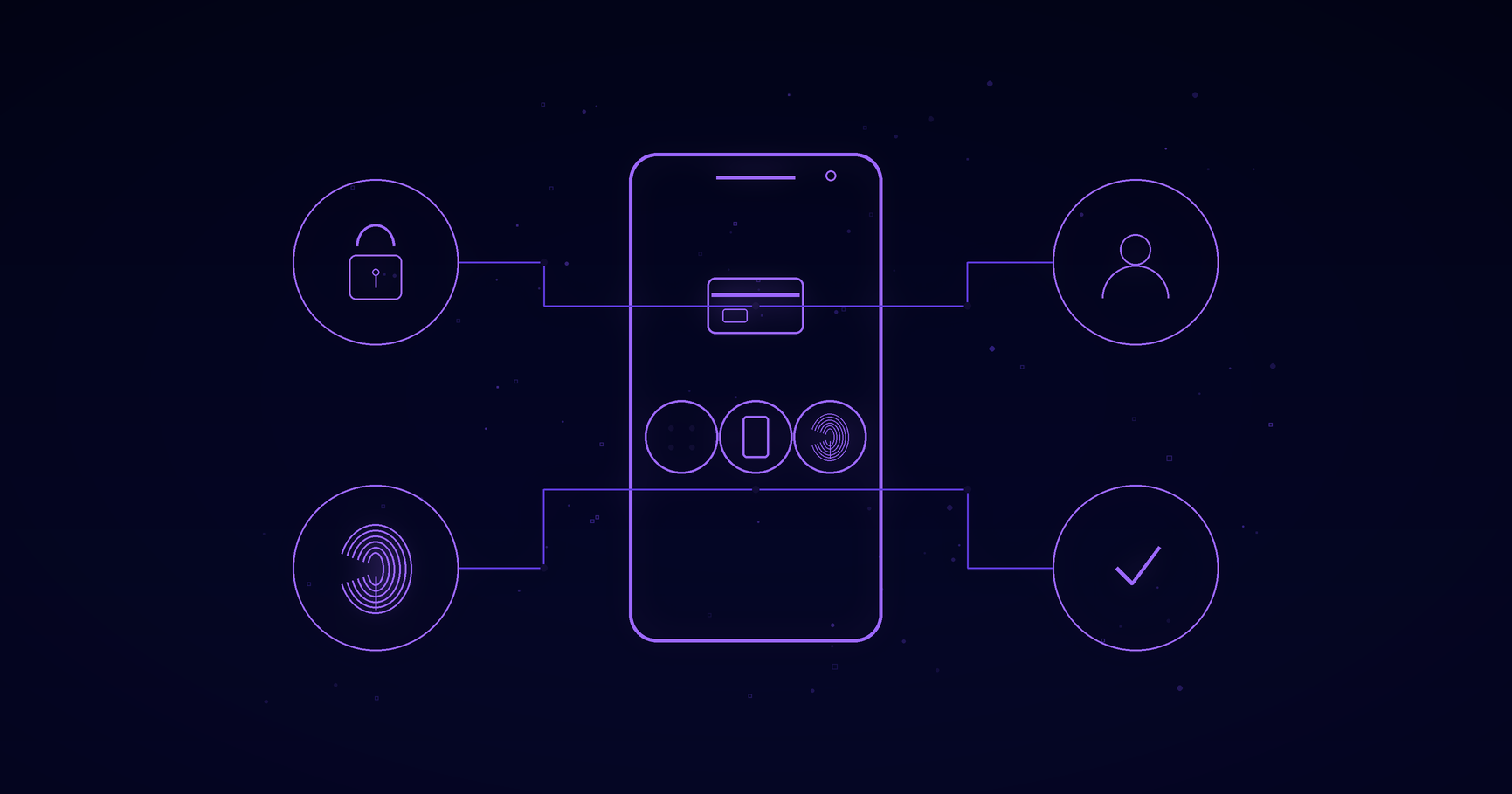
Everything About Strong Customer Authentication, Explained
Strong Customer Authentication is reshaping online payments across Europe. This article explains how SCA works under PSD2, when it is required, which exemptions apply and how banks and payment providers can combine passwords, devices and biometrics to reduce fraud while maintaining a smooth customer experience.
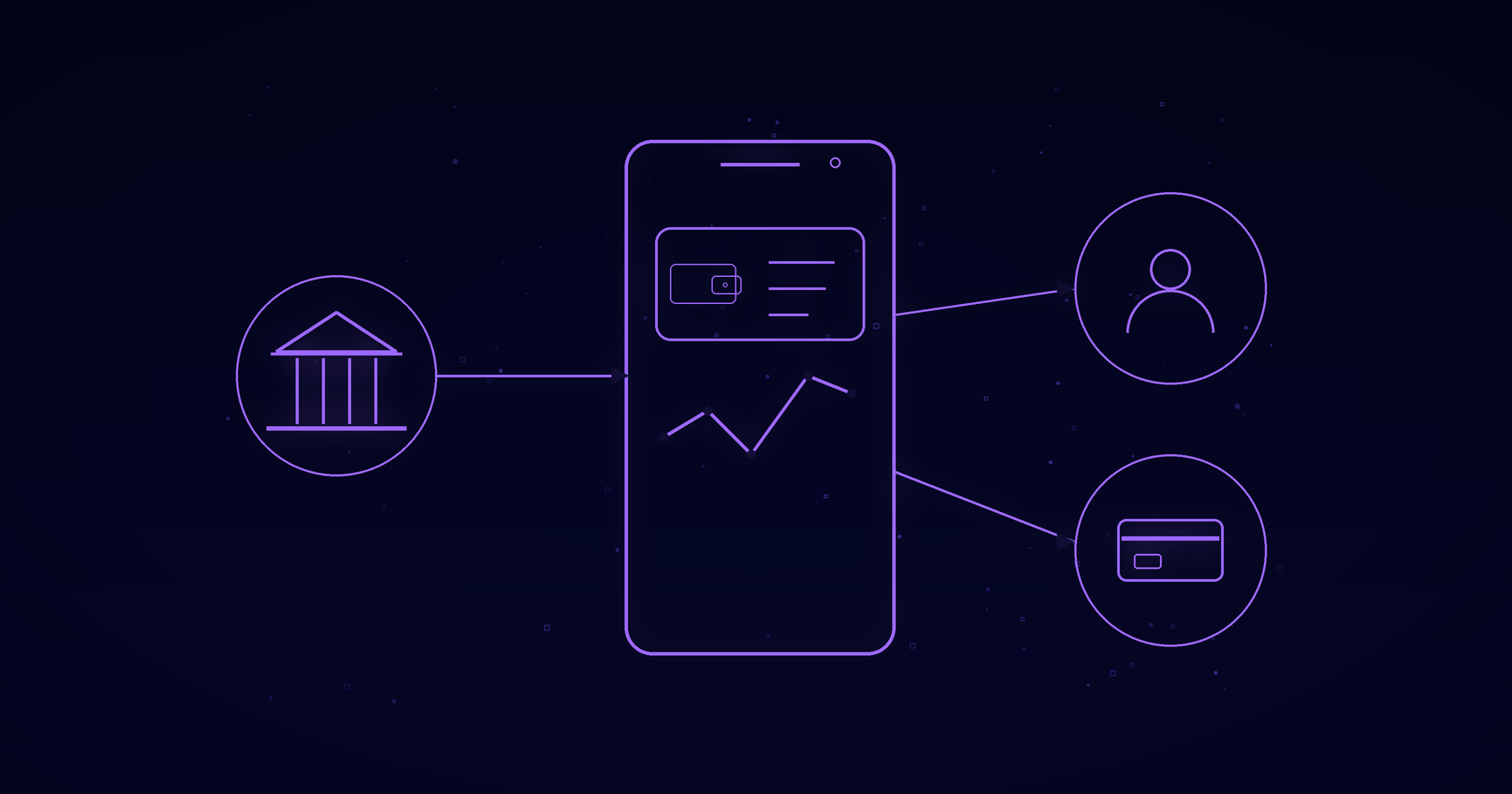
Disrupting Banking: How Neobanks are Changing the Financial Industry
Neobanks are reshaping traditional banking through fully digital services, faster onboarding and more personalized customer experiences. This article explores how open banking, fintech partnerships and lower operating costs support their growth—and whether their customer-first business model can become profitable enough to compete with established banks.

Crypto Crime: Mining for Clues
How do criminals exploit cryptocurrencies—and how can legitimate businesses respond? This article examines crypto hacks, darknet markets, Ethereum scams and the methods used to launder stolen funds. It also highlights the growing role of blockchain analytics, cooperation with law enforcement and stronger AML and CTF compliance.
PSD2: Finally Ready To Take Off
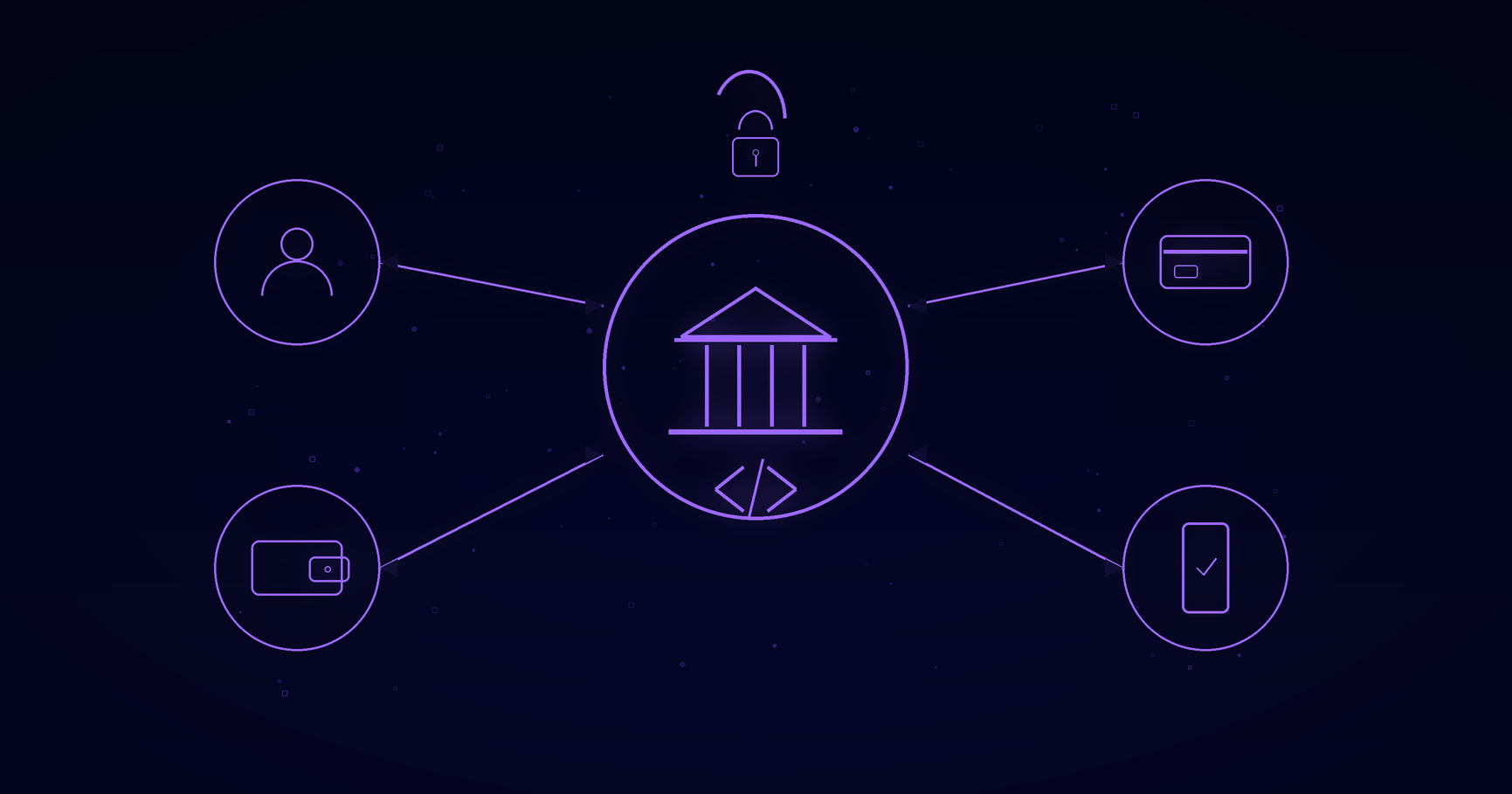
PSD2 opened Europe’s financial services market by requiring banks to share customer data securely with regulated third parties. This article explains how AISPs and PISPs use open banking APIs to aggregate financial information, enable faster and cheaper payments, encourage fintech innovation and give customers greater control over how they manage and use their financial data.
Smart Contracts in Fintech: What is Still Missing for Mass Adoption
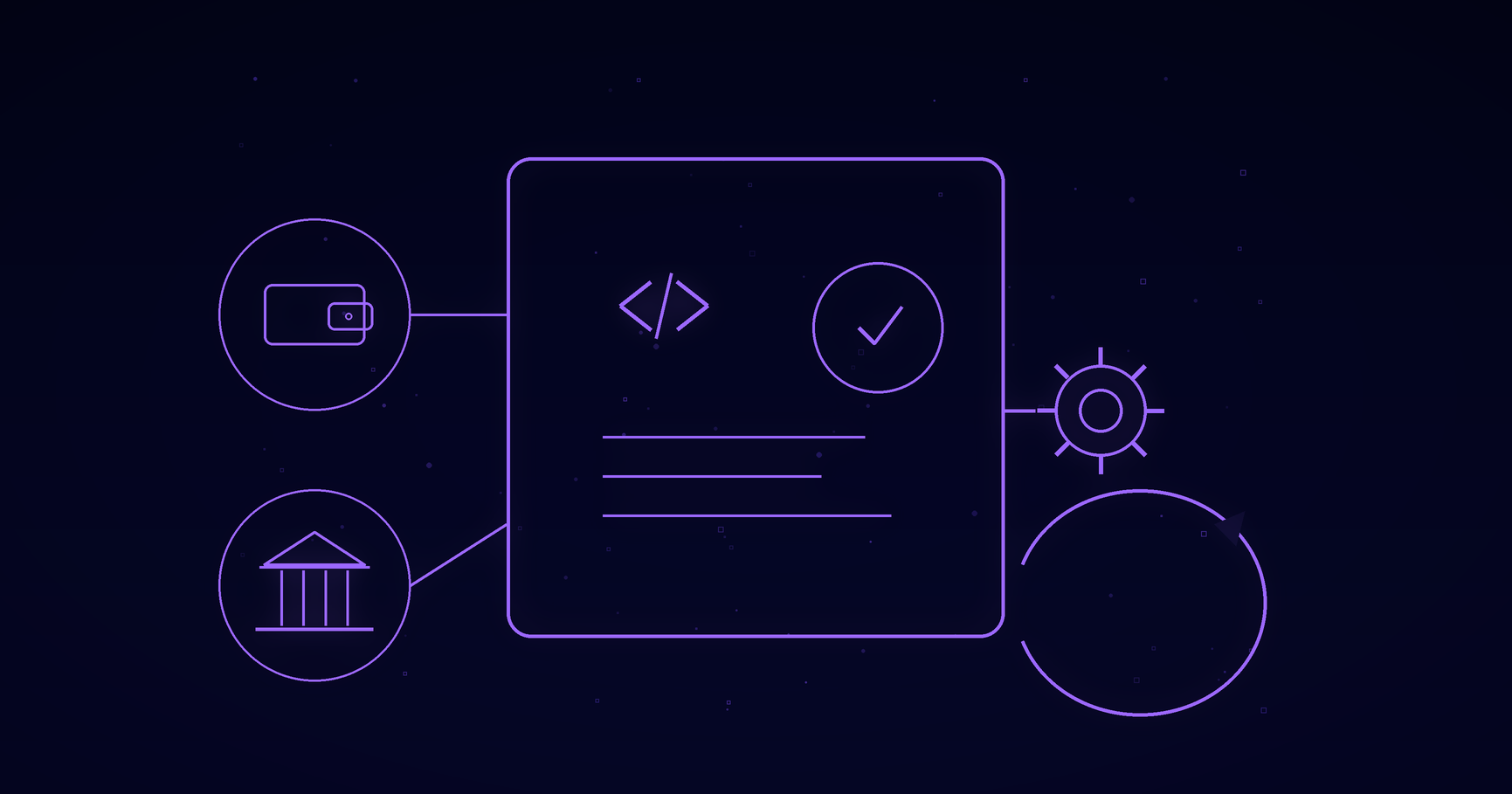
Why have smart contracts not yet achieved mass adoption in fintech? This article explores their potential to reduce transaction costs and automate financial processes, while examining the limitations of cryptocurrencies as payment instruments. It argues that regulated blockchain-based electronic money could unlock wider use of smart contracts in payments, fintech and insurtech.

Pros & Cons of Whitelabel Cryptocurrency Exchanges
A white-label solution can significantly reduce the time and cost of launching a cryptocurrency exchange, while providing access to existing technology, maintenance and liquidity. This article examines the main benefits and risks, including security, shared custody, missing integrations and the continued need for an experienced in-house technical team.
Building the company, not just the product.
Incorporation, equity, IP and the contracts founders actually sign — the legal scaffolding behind a growing technology company.
Digital Identity: Decentralization and Self-Sovereignty
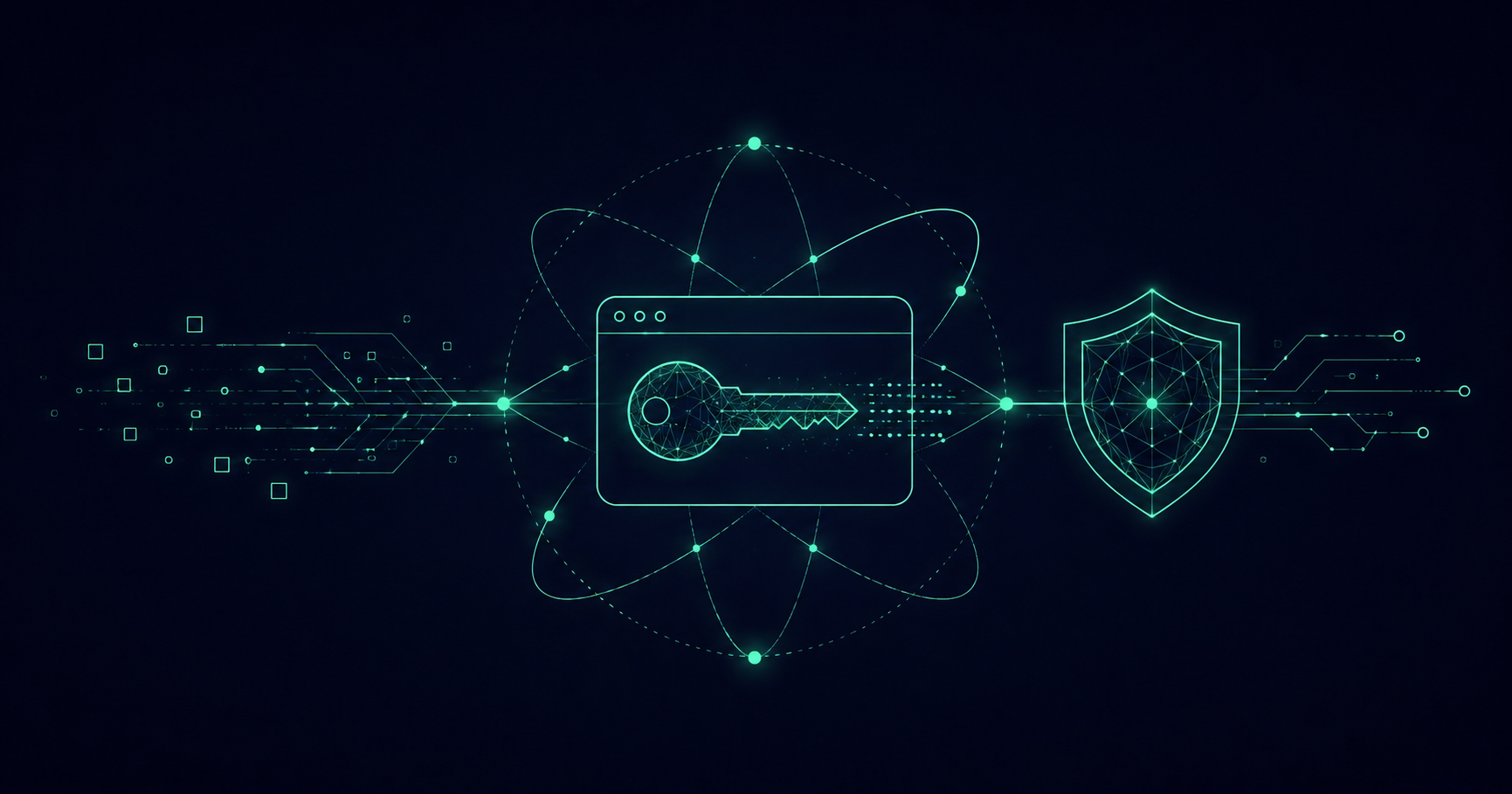
Could blockchain redefine how we prove who we are online? This article explores how decentralized and self-sovereign identity can give users greater control over personal data, reduce reliance on centralized databases and strengthen privacy. It shows how blockchain-based identity could help businesses simplify verification, improve KYC and AML processes, reduce fraud and enhance users' experience.
Post-Quantum Cryptography: does bulletproof cryptography still exist?
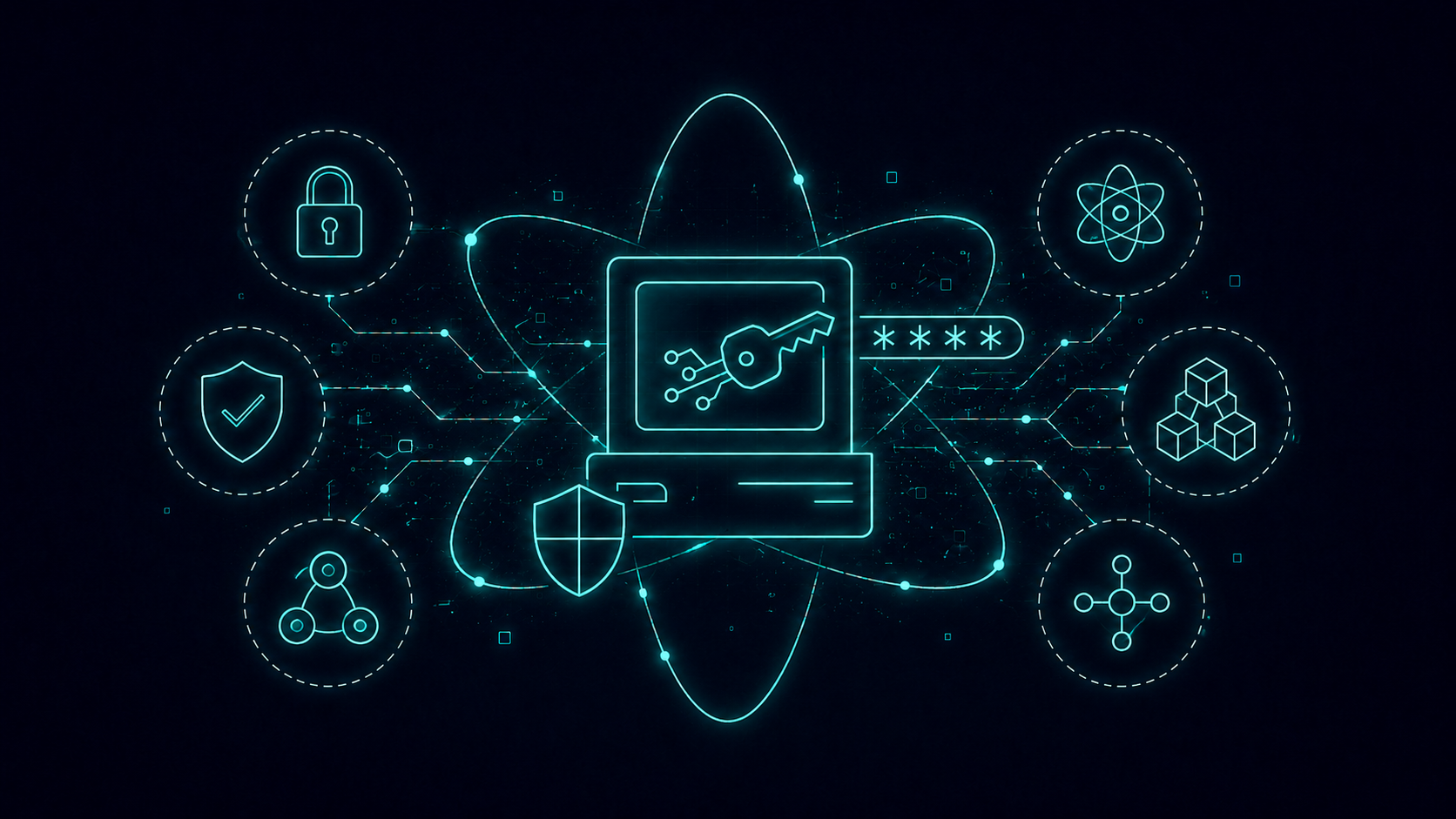
Could quantum computers break the encryption protecting today’s digital world? This article explores how quantum computing may threaten widely used cryptographic systems, blockchain networks and cryptocurrencies. It also examines the rise of post-quantum cryptography and the global race to develop security standards capable of resisting future quantum attacks.
EMI License Explained: EU E-Money Authorization
Learn when an EMI license is required in the EU, how authorization works, capital and safeguarding rules, passporting and the MiCA connection.

Where to Incorporate Your Startup in the EU
Compare Slovenia, Estonia, Lithuania, Ireland and the Netherlands and learn which legal factors should drive your EU startup incorporation decision.

Investment Readiness Review: What Investors Check
Prepare for investor due diligence with a practical review of your cap table, IP, contracts and compliance, and fix issues before they delay funding.

ESOP for Startups: Employee Options in the EU
Build a startup option plan around vesting, dilution, employee tax and local company law, with clear terms that remain workable through funding and exit.
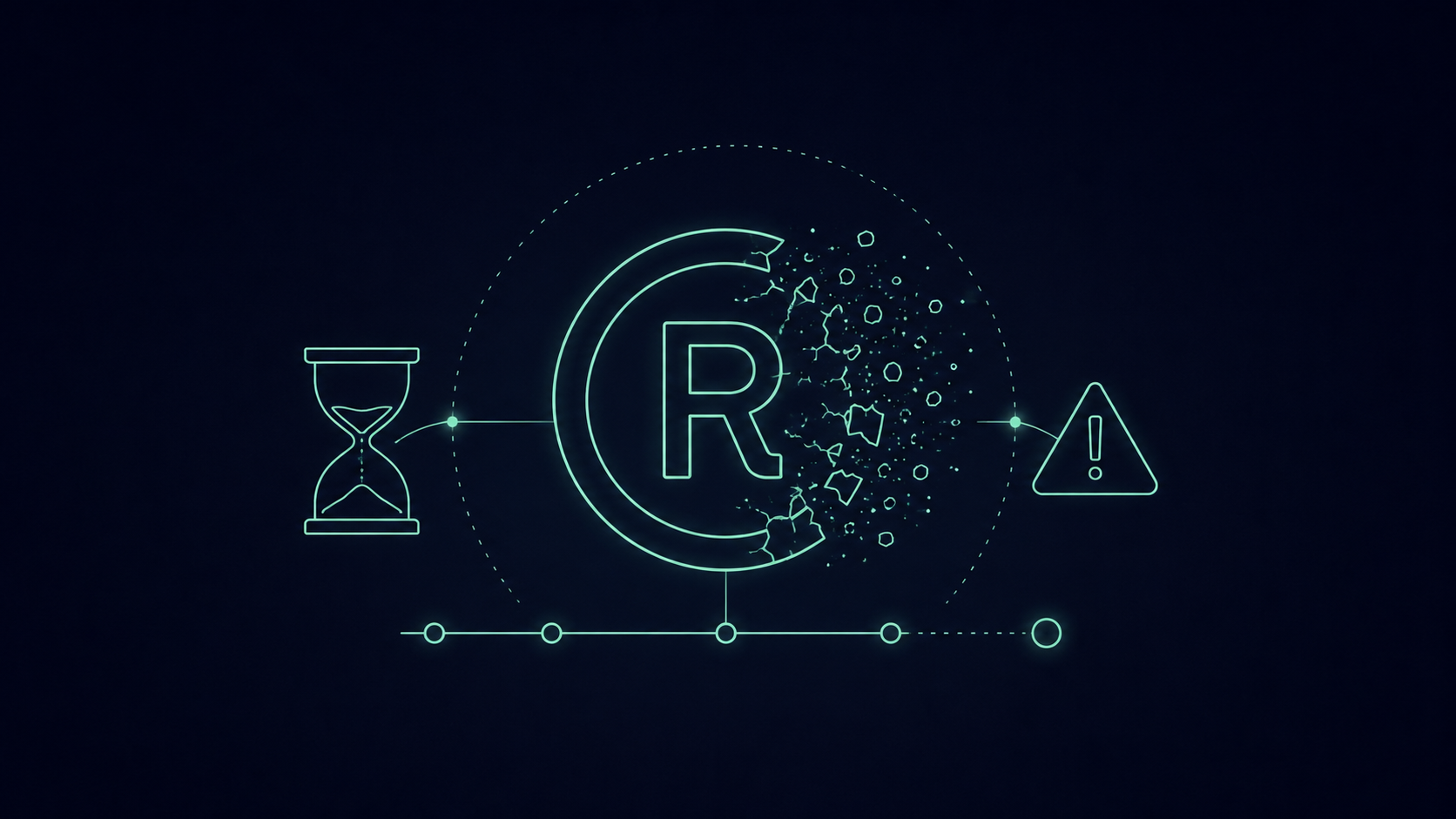
How can I lose my trademark?
Trademark registration does not guarantee permanent protection. The article outlines five common reasons a trademark may be lost, including non-use, genericness, misleading consumers, invalidity and failure to renew the registration on time.
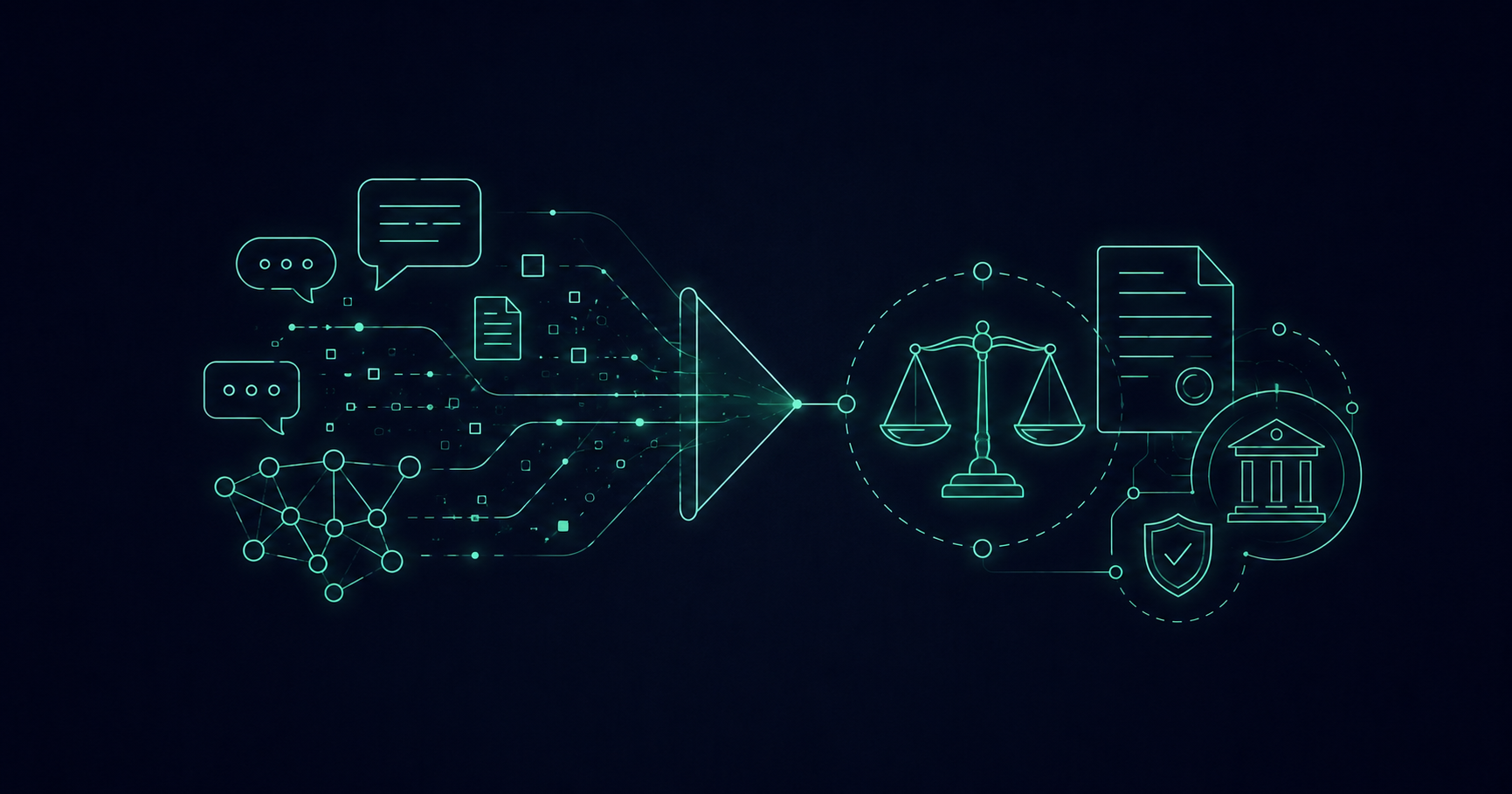
Will lawyers become obsolete as artificial intelligence advances?
Artificial intelligence is set to transform legal work by supporting tasks such as legal research, document review, contract analysis, and legal drafting. However, professional judgement and the timely involvement of a lawyer remain essential for providing reliable legal advice and preventing costly legal complications.
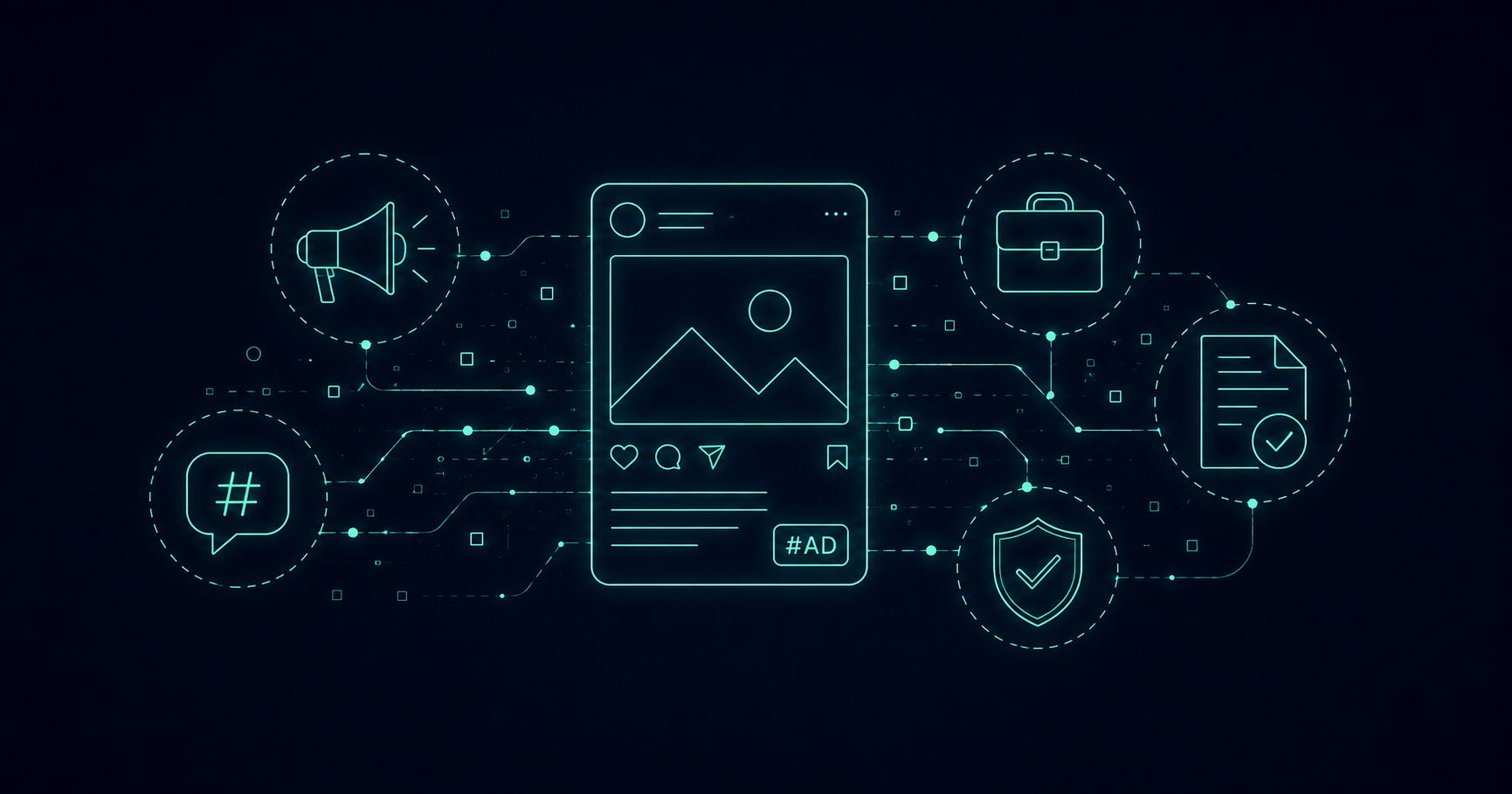
#AD or “the informed follower and the carefree influencer”
When must influencers label a post as an advertisement? We explain Slovenia’s disclosure rules and the responsibilities of influencers and advertisers.

How to choose a name for your company?
Choosing the right company or product name is a strategic decision that can shape brand recognition, market acceptance and legal security. This article explains how to generate naming ideas, test them with target audiences and verify domains, social media handles and trademarks before making a final choice.
The most common open-source software licences
An overview of GPL, LGPL, MIT, Apache and Creative Commons licences and the key differences in how software may be used, modified and shared.
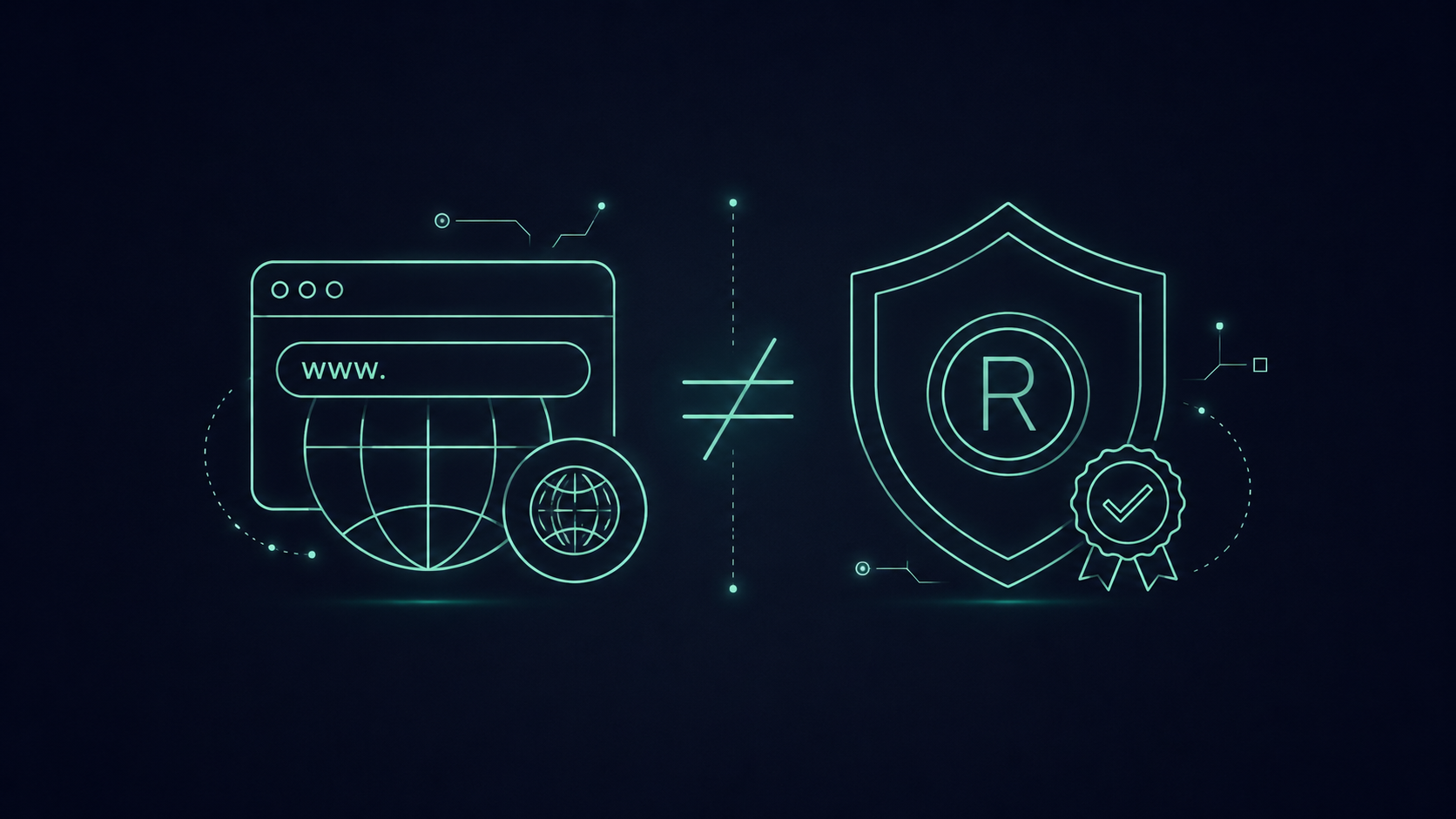
A web domain is not the same as a protected trademark
Buying a web domain does not legally protect your brand. Learn the difference between domain ownership and trademark registration—and how the right protection strategy can prevent misuse, confusion and costly legal disputes.
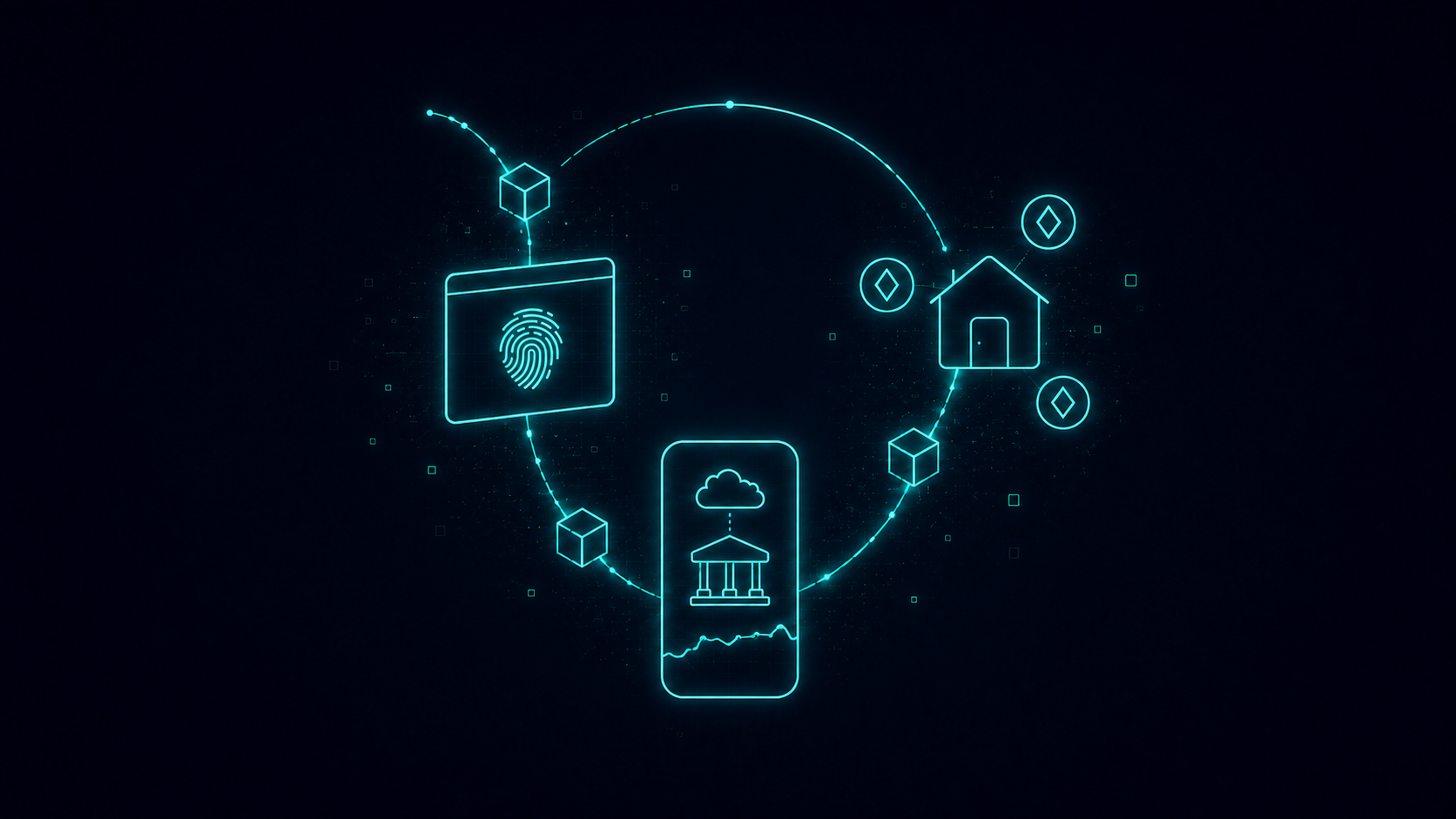
The applicability of blockchain technologies outside the realm of cryptocurrency transactions and it
Blockchain extends far beyond cryptocurrencies. This article explores how distributed ledger technology could reshape finance, central bank digital currencies, digital identity and asset tokenization. From decentralized financial institutions to self-sovereign identity and tokenized real estate, it highlights blockchain’s potential role in the future digital economy.

Why and how to register a design?
Learn how a registered design protects a product’s appearance, how it differs from a patent, and how registration works in Slovenia and the EU.
Buy Now, Pay Later: Advantages and Risks
How does buy now, pay later financing work? Explore its benefits, credit risks, potential costs and consumer protection concerns.
High brand recognition - a dream come true or a nightmare for trademark owner?
Can a trademark become too successful? When a brand name turns into a generic term for a product or service, it may lose its distinctive character—and its legal protection. Through examples such as Trampoline, Aspirin and Google, the article explains why strong brand recognition must also be carefully managed.
Should I protect a trademark or a domain?
Registering a web domain does not provide legal trademark protection—and owning a trademark does not automatically grant the right to the matching domain. The article explains the key differences between the two and why businesses should secure both to protect their name effectively.
Rights arising from an unregistered sign used in commercial transactions
Using a sign does not automatically give it legal protection. The article explains the limited remedies available to holders of unregistered signs, how they may respond to misuse, and why timely trademark registration remains the safest way to protect their investment and reputation.

Can a commonly used word be a trademark?
Commonly used words can be registered as trademarks, provided they do not describe the relevant goods or services. The article explains why generic and descriptive signs lack distinctive character—and how a word such as Apple can become a protected trademark in an unrelated industry.
Internet Playground: Liability of Intermediary Service Providers - Should There Be Any?
When can online platforms be held liable for content posted by their users? This article examines the EU liability framework for intermediary service providers, including safe-harbour protection, notice-and-takedown rules and relevant case law. It also considers how outdated regulation creates uncertainty for social networks, marketplaces and other digital platforms.
The new frontier: export controls.
When advanced technology becomes dual-use — classification, licensing, sanctions screening and foreign-investment review, explained from first principles.
Is Your Dual-Use Startup Ready for the NATO Market? A 5-minute regulatory compliance check
What should a dual-use startup check before entering the defence market? Export controls, sanctions, technical data, and a 5-minute check.

Dual-use is not a dual-problem : What is exactly a Dual-Use Startup?
A practical guide to dual-use startups, EU export controls, licensing, FDI screening and what founders should check before scaling.

Show Me the Money: Where to Secure Funding for Dual-Use Innovation in Europe (and the Balkans)?
Dual-use innovation is entering a rare funding window. This article shows where European and Balkan startups can find support — from EU grants and NATO DIANA to venture funds and regional financing — and why now is the moment to act.

Accelerators & Incubators: You Need to Know If You’re Building in Deeptech or Defense
A 2026 guide to deep-tech and defense accelerators in Europe, including NATO DIANA, EUDIS, EIC funding, IP, export controls and application terms.

The Future Battlefield Is Digital: Opportunities for Adriatic Startups in AI, Robotics, and Cybersecurity
An overview of emerging opportunities for Adriatic startups in AI, robotics and cybersecurity, including investment trends, regulatory challenges and practical strategies for entering the European defence and dual-use market.
Have a question we haven't answered?
Tell us what you're building and we'll map the legal path — with a fixed fee, in writing. One firm, three frontiers.
Book a consultation →